

What Is User Research and Why Is It Worth It?
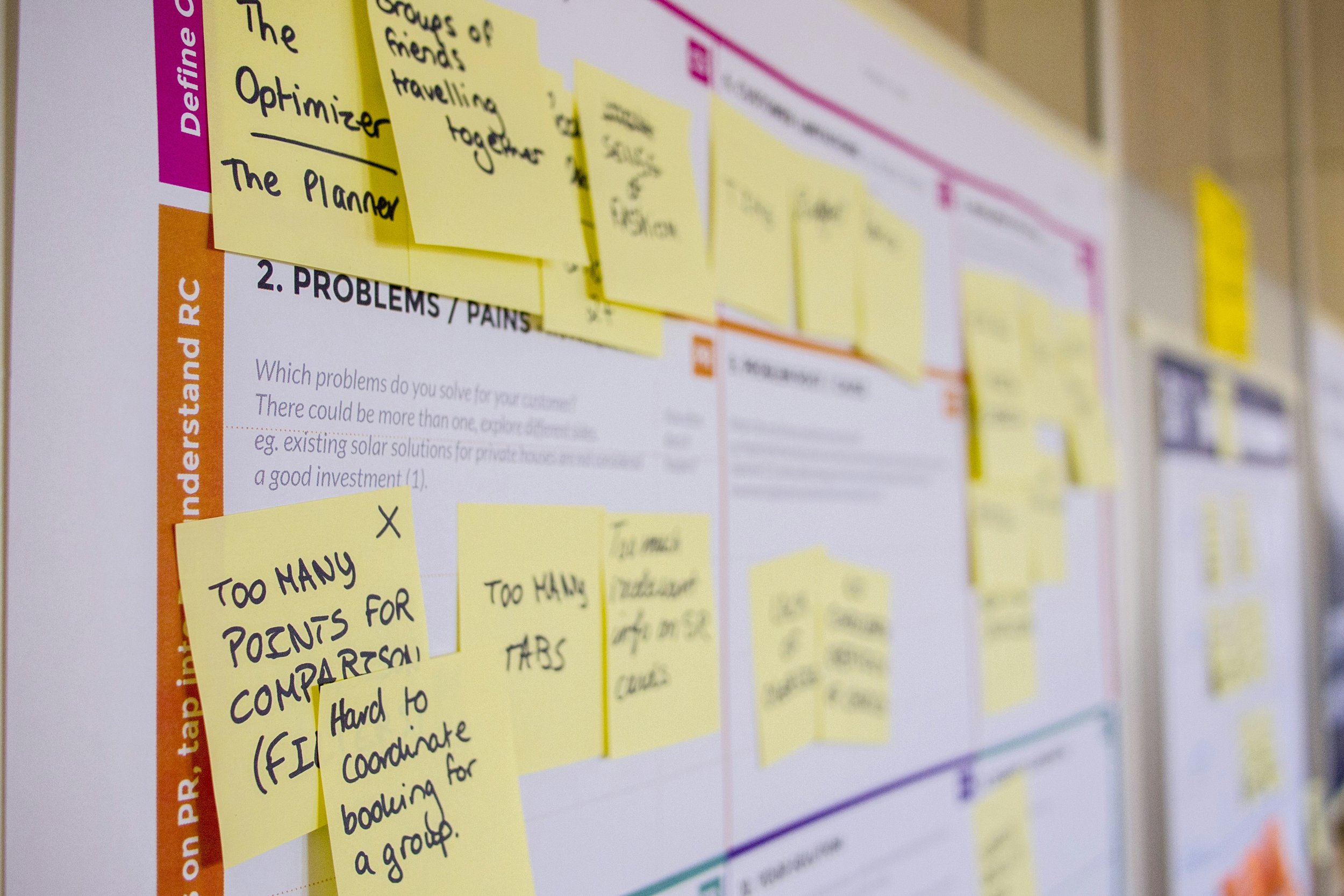
User research is the practice of understanding the people who use your product—their goals, behaviors, needs, and frustrations. In UX design, user research provides the foundation for making informed decisions, ensuring products are built for real users rather than assumptions.
Without user research, design decisions are often driven by opinions or internal preferences. With it, teams can design experiences that actually work.
What Is User Research?
User research involves gathering insights directly from users through methods like interviews, usability testing, surveys, and behavioral analysis. These methods help UX designers understand how users interact with a product, what problems they encounter, and what they expect from the experience.
Research can be qualitative (understanding why users behave a certain way) or quantitative (measuring what users do). Together, they create a clear picture of user needs and opportunities for improvement.
Why User Research Matters in UX
User research reduces guesswork. Instead of designing based on assumptions, teams can validate ideas early and often. This leads to better design decisions, fewer costly mistakes, and products that feel intuitive to users.
When teams understand users, they can prioritize features that matter, simplify workflows, and eliminate unnecessary complexity.
User Research Improves Usability and Conversions
Research-driven UX uncovers friction points that prevent users from completing tasks or taking action. By addressing these issues, products become easier to use and more effective.
When users can move through an experience confidently and without confusion, they’re more likely to convert, return, and recommend the product to others.
User Research Saves Time and Money
While research may seem like an upfront investment, it saves significant time and cost in the long run. Identifying usability issues early prevents expensive redesigns and reduces ongoing support needs.
User research helps teams build the right thing the first time—or adjust early before problems scale.
User Research Builds Alignment Across Teams
Research creates a shared understanding of users across design, product, and development teams. This alignment helps teams make decisions faster, resolve disagreements with evidence, and stay focused on solving the right problems.
When everyone understands the user, collaboration improves and outcomes get better.
In Summary
User research is worth it because it puts real users at the center of UX design. By grounding decisions in user insight, teams create more usable, effective, and successful products—while reducing risk and wasted effort along the way.