

Designing for Users, Not Stakeholders
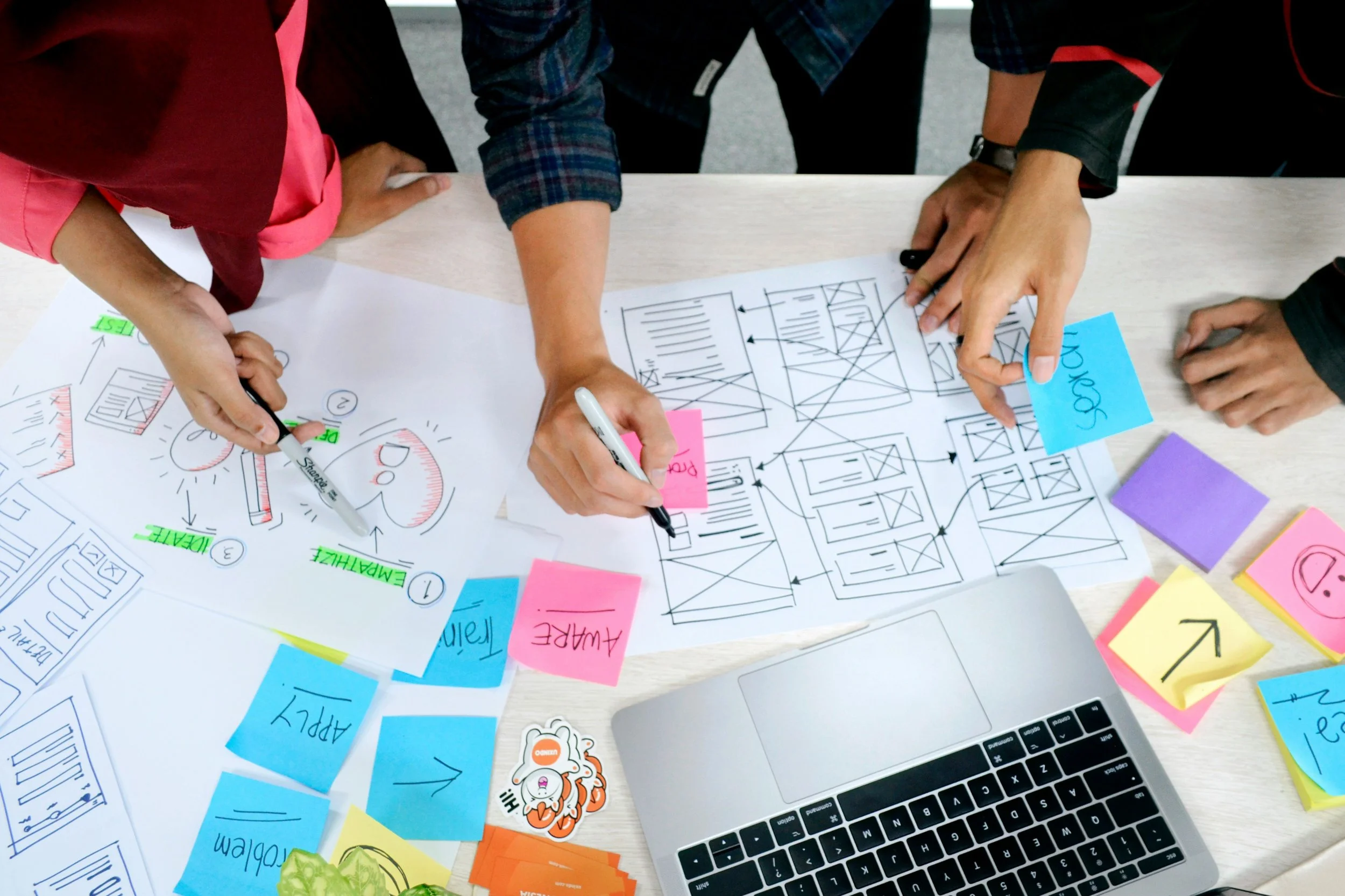
In UX (user experience) design, one of the most common challenges isn’t a lack of ideas or tools—it’s competing priorities. Stakeholders have goals, opinions, and business pressures. Users have needs, expectations, and real problems they’re trying to solve. Great UX happens when products are designed for users first, not just to satisfy internal preferences.
Designing for users doesn’t mean ignoring stakeholders. It means grounding decisions in user needs so the business can succeed because the product works—not despite it.
Stakeholders Aren’t the Users
Stakeholders often bring valuable insight about business goals, constraints, and strategy. But they are rarely the people using the product day to day. When design decisions are driven by assumptions, personal preferences, or internal politics, the result is often a product that looks impressive internally but fails in the real world.
UX design exists to bridge this gap by advocating for the user and validating decisions through research rather than opinion.
User-Centered Design Leads to Better Outcomes
When products are designed around real user behaviors, pain points, and goals, they become easier to use and more effective. User-centered design relies on research, testing, and iteration to uncover what actually works.
This approach reduces guesswork and ensures design decisions are based on evidence, not hierarchy. The result is a product that serves users well—and in turn, meets business objectives more reliably.
Designing for Users Supports Business Goals
Designing for users is not anti-business. In fact, it’s one of the most reliable ways to achieve business success. When users can complete tasks easily, they’re more likely to convert, return, and recommend the product.
A product that solves real problems creates value naturally. UX helps align user satisfaction with stakeholder goals like growth, retention, and revenue.
UX Designers as User Advocates
One of the core roles of a UX designer is to represent the user in decision-making conversations. This means asking hard questions, challenging assumptions, and using data to support design choices.
By reframing discussions around user outcomes rather than personal preferences, UX designers help teams make better, more objective decisions.
Balancing Needs Without Compromising UX
Designing for users doesn’t mean stakeholders don’t matter. The best UX solutions balance user needs with technical feasibility and business constraints. However, the starting point should always be the user.
When users are prioritized early, compromises become smarter, not reactive—and the final product benefits everyone involved.
In Summary
Designing for users, not stakeholders, is about creating products that work in the real world. UX design puts people first, using research and empathy to guide decisions. When users succeed, businesses succeed too—making user-centered design the strongest foundation for long-term product success.